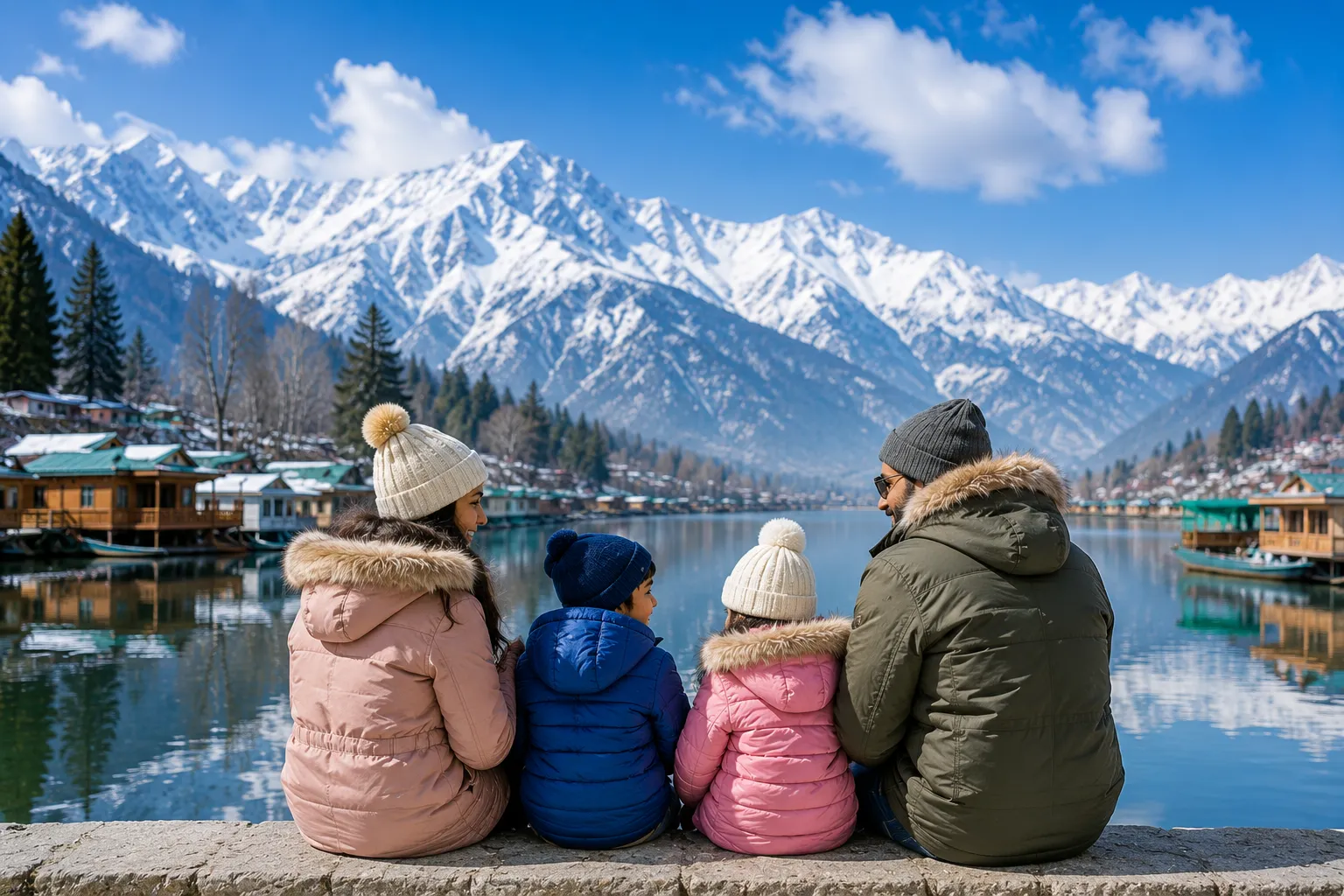

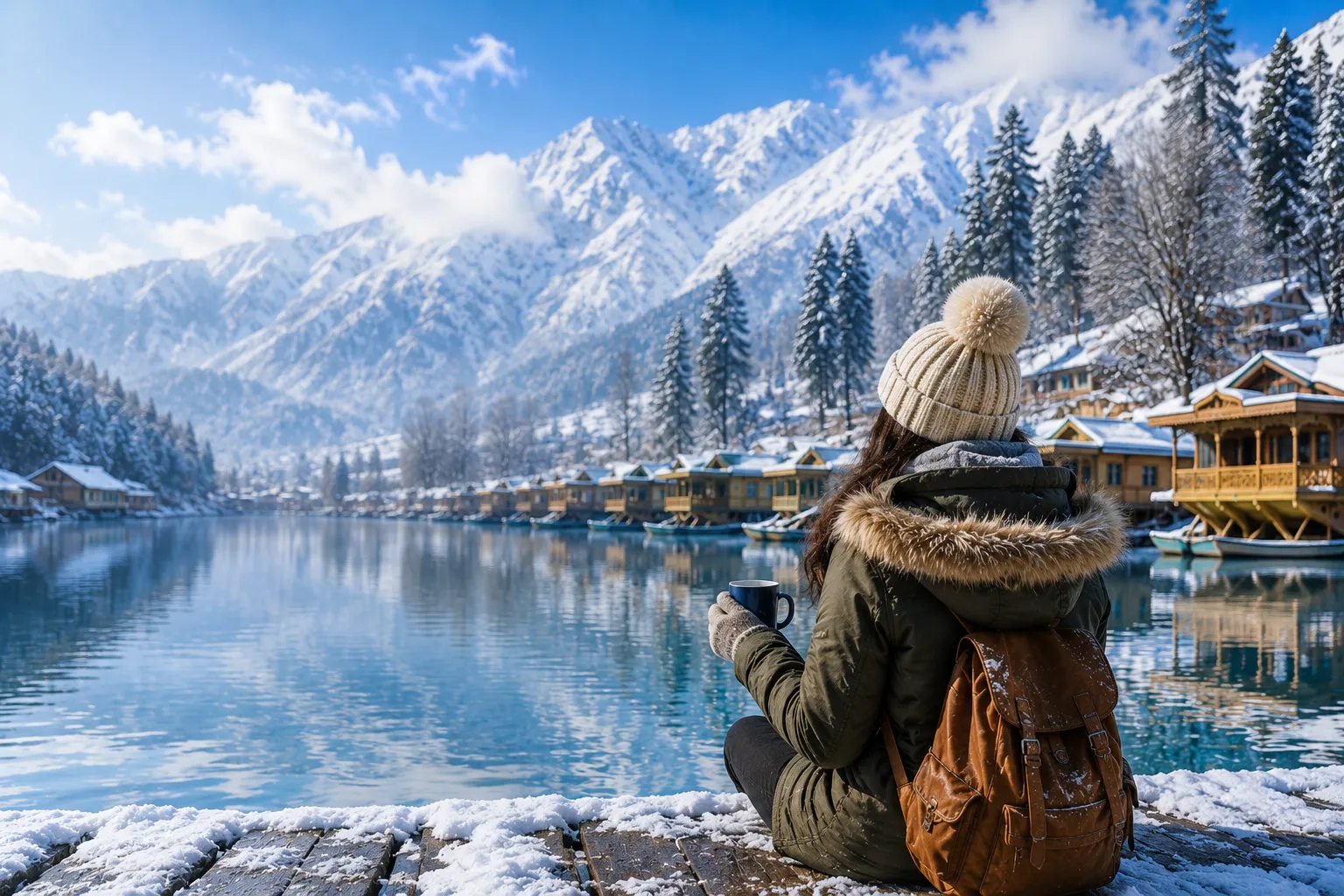
Kashmir in winter is a completely different experience from any other destination in India. Snow-covered mountains, frozen lakes, pine forests draped in white, and peaceful valleys create a magical atmosphere that attracts travellers from across the country.
Whether you’re planning a family holiday, a romantic escape, or an adventure-filled vacation, winter is one of the most beautiful times to visit Kashmir. However, travelling during the colder months requires proper planning. From weather conditions to transport arrangements, a little preparation can make your journey far more comfortable and enjoyable.
Here are some essential Kashmir Winter Travel Tips to help you make the most of your trip.
Choose the Right Time for Your Winter Trip
Winter in Kashmir typically lasts from December to February. If your goal is to experience snowfall, January is usually the best month to visit.
During this period, destinations such as Gulmarg, Srinagar, Pahalgam, and Sonamarg transform into stunning winter landscapes. Snowfall can vary from year to year, but travellers visiting during peak winter often get the best chance to witness Kashmir’s famous snowy scenery.
Pack More Warm Clothes Than You Think You’ll Need
One of the most common mistakes first-time visitors make is underestimating Kashmir’s winter temperatures.
Layering is the key to staying comfortable throughout your trip. Consider packing:
- Thermal wear
- Heavy winter jackets
- Woollen caps
- Gloves
- Warm socks
- Waterproof shoes or snow boots
- Scarves and mufflers
Temperatures can drop significantly during the evening and early morning hours, especially in higher-altitude destinations.
Book Your Accommodation Early
Winter is one of Kashmir’s busiest travel seasons. Hotels, resorts, and houseboats often receive a large number of bookings during this time.
When selecting accommodation, look for:
- Heating facilities
- Hot water availability
- Good guest reviews
- Easy access to local attractions
Many travellers choose traditional houseboat stays on Dal Lake for a unique winter experience. Waking up to misty mornings and snow-covered surroundings creates unforgettable memories.
Keep Your Travel Plans Flexible
Weather conditions can change quickly during winter.
Heavy snowfall may occasionally affect flights, local transportation, and sightseeing schedules. While this doesn’t happen every day, it is always wise to keep some flexibility in your itinerary.
Checking weather forecasts before travelling and leaving a small buffer between connecting flights can help avoid unnecessary stress.
Use Reliable Local Transportation
Road conditions in winter can be challenging, especially after fresh snowfall. Some routes may become slippery, while certain mountain roads can experience temporary closures.
For visitors unfamiliar with local conditions, hiring a professional driver or booking transportation through a trusted travel provider is often the safest option.
Experienced local drivers understand road conditions and can help ensure a smoother travel experience throughout the region.
Don’t Miss Kashmir’s Winter Experiences
Winter brings some incredible experiences that simply aren’t available during other seasons.
Some of the most popular winter activities include:
Gondola Rides in Gulmarg
The Gulmarg Gondola is one of the highest cable car rides in the world and offers breathtaking views of snow-covered mountains.
Skiing and Snow Activities
Gulmarg is India’s most famous skiing destination and attracts both beginners and experienced skiers.
Shikara Rides on Dal Lake
A peaceful Shikara ride remains one of the most iconic experiences in Kashmir, especially when surrounded by winter scenery.
Snow Photography
Winter transforms Kashmir into a paradise for photography enthusiasts. Every corner of the valley offers postcard-worthy views.
Take Care of Your Health During Winter Travel
Cold weather can affect travellers differently, particularly those visiting from warmer regions.
A few simple precautions can make your trip more comfortable:
- Stay hydrated throughout the day
- Carry personal medications
- Use moisturiser and lip balm regularly
- Eat warm meals whenever possible
- Take adequate rest during your first day at higher altitudes
Proper preparation helps you enjoy your trip without unnecessary health concerns.
Carry Some Cash and Essential Documents
Although digital payments are widely accepted in many tourist areas, carrying some cash is still recommended.
Weather conditions can occasionally affect network coverage, particularly in remote locations.
It is also helpful to keep copies of:
- Hotel bookings
- Flight tickets
- Identity documents
- Emergency contact numbers
Having these details easily accessible can save valuable time if needed.
Consider a Well-Planned Itinerary
Many travellers underestimate the distances between destinations in Kashmir. A well-planned itinerary helps maximise sightseeing while reducing travel fatigue.
Whether you are exploring Srinagar, Gulmarg, Pahalgam, or Sonamarg, proper planning ensures you spend more time enjoying the destination and less time worrying about logistics.
Travellers exploring Kashmir Winter Tour Packages often find that organised itineraries simplify transportation, accommodation, and local arrangements while allowing them to focus on the experience itself.
Final Thoughts
Winter is undoubtedly one of the most enchanting seasons to explore Kashmir. Snow-covered landscapes, scenic mountain views, and unforgettable experiences make it a dream destination for many travellers.
With proper planning, suitable clothing, reliable transportation, and realistic expectations, your winter holiday can be both comfortable and memorable.
At Yukti Travel, we always recommend preparing in advance so that you can fully enjoy the beauty and charm that Kashmir offers during the winter season.
Frequently Asked Questions
1. What is the best time to visit Kashmir during winter?
The best time to visit Kashmir in winter is between December and February. January is usually the coldest month and offers the highest chances of experiencing snowfall in popular destinations such as Gulmarg, Srinagar, and Pahalgam.
2. What clothes should I pack for a Kashmir winter trip?
It is recommended to carry thermal wear, heavy jackets, gloves, woollen caps, warm socks, and waterproof shoes. Layered clothing helps keep you comfortable in changing weather conditions.
3. Is it safe to travel to Kashmir during winter?
Yes, Kashmir is generally safe for tourists during winter. However, travellers should monitor weather updates, follow local travel advisories, and use experienced drivers when travelling in snowy conditions.
4. Which places are best to visit in Kashmir during winter?
Some of the most popular winter destinations in Kashmir include Gulmarg, Srinagar, Pahalgam, Sonamarg, and Dal Lake. These locations offer beautiful snow-covered landscapes and seasonal winter activities.
5. Do Kashmir Winter Tour Packages include transportation and accommodation?
Most Kashmir Winter Tour Packages include accommodation, local transportation, sightseeing, and itinerary planning. However, inclusions may vary depending on the package, so it is always advisable to check the details before booking.