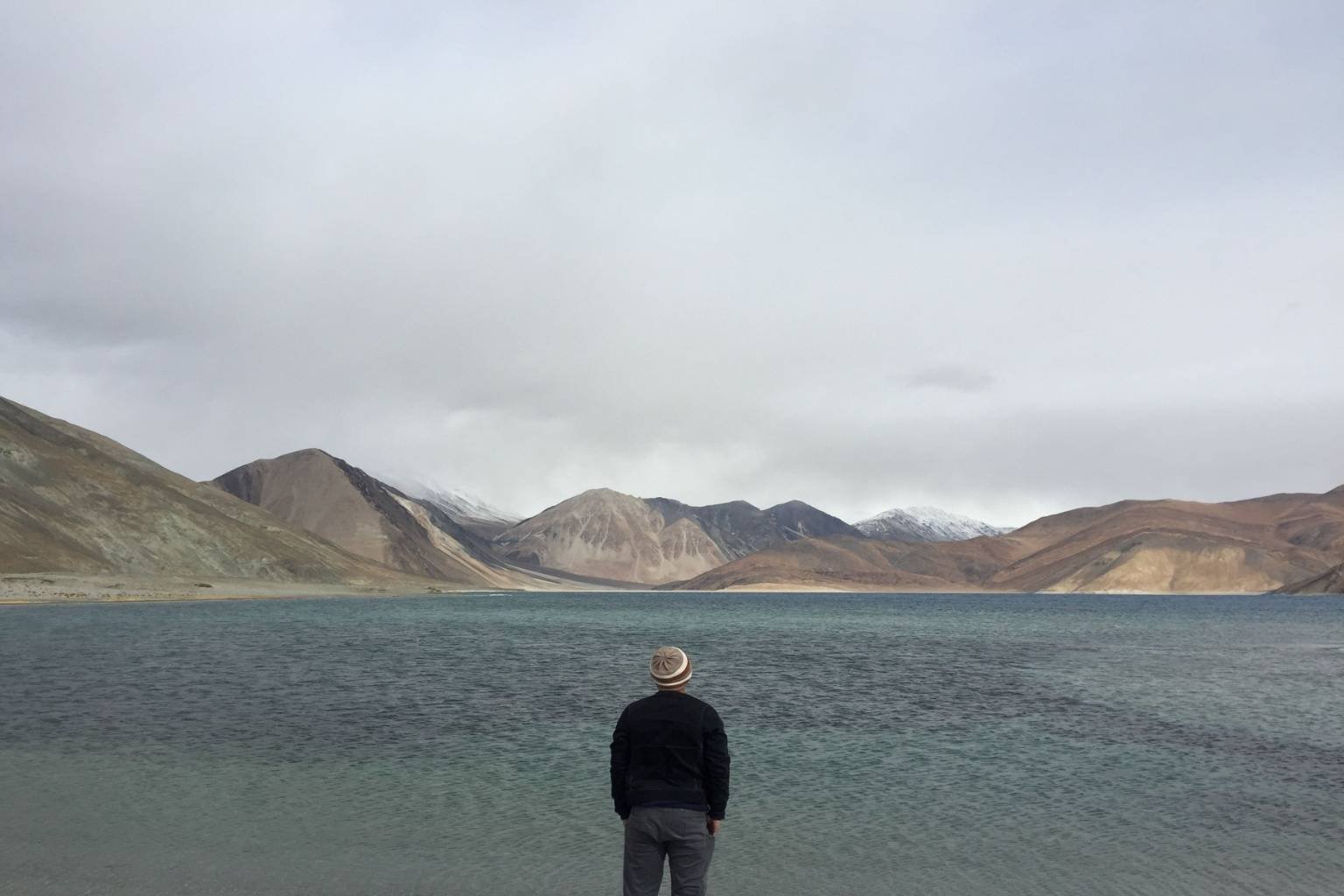

When couples imagine a Ladakh honeymoon, they picture arriving in Leh, checking into a beautiful hotel, admiring the mountains, and beginning their first scenic drive. However, your body needs time to adjust to the high altitude before you fully enjoy the adventure. Leh sits about 11,500 feet above sea level, while popular destinations rise even higher. Pangong Tso reaches around 14,270 feet, and the route to Nubra crosses high mountain passes. At these elevations, the air contains less oxygen, so your body must gradually adapt. This shouldn’t discourage you from choosing your favorite Ladakh honeymoon package. Simply plan wisely, understand the conditions, and allow enough time to acclimate. Doing so will help you stay comfortable and enjoy the first few days of your romantic journey.
Why Altitude Sickness Can Happen in Leh
Commonly known as acute mountain sickness (AMS), it may affect people who ascend quickly to higher elevations without getting enough time to acclimatize. Most importantly, if you are young, fit, athletic, or accustomed to exercise, it does not make you immune to this sickness. Previous exposure to such altitudes might help, but it also does not guarantee that your upcoming trip will feel just like before.
This risk becomes especially relevant if you fly directly into Leh. Following this route, your body simply moves from a considerably low altitude to almost 11,500 feet within a few hours, as there is no gradual climb that may allow the respiratory and circulatory systems to adjust along the way.
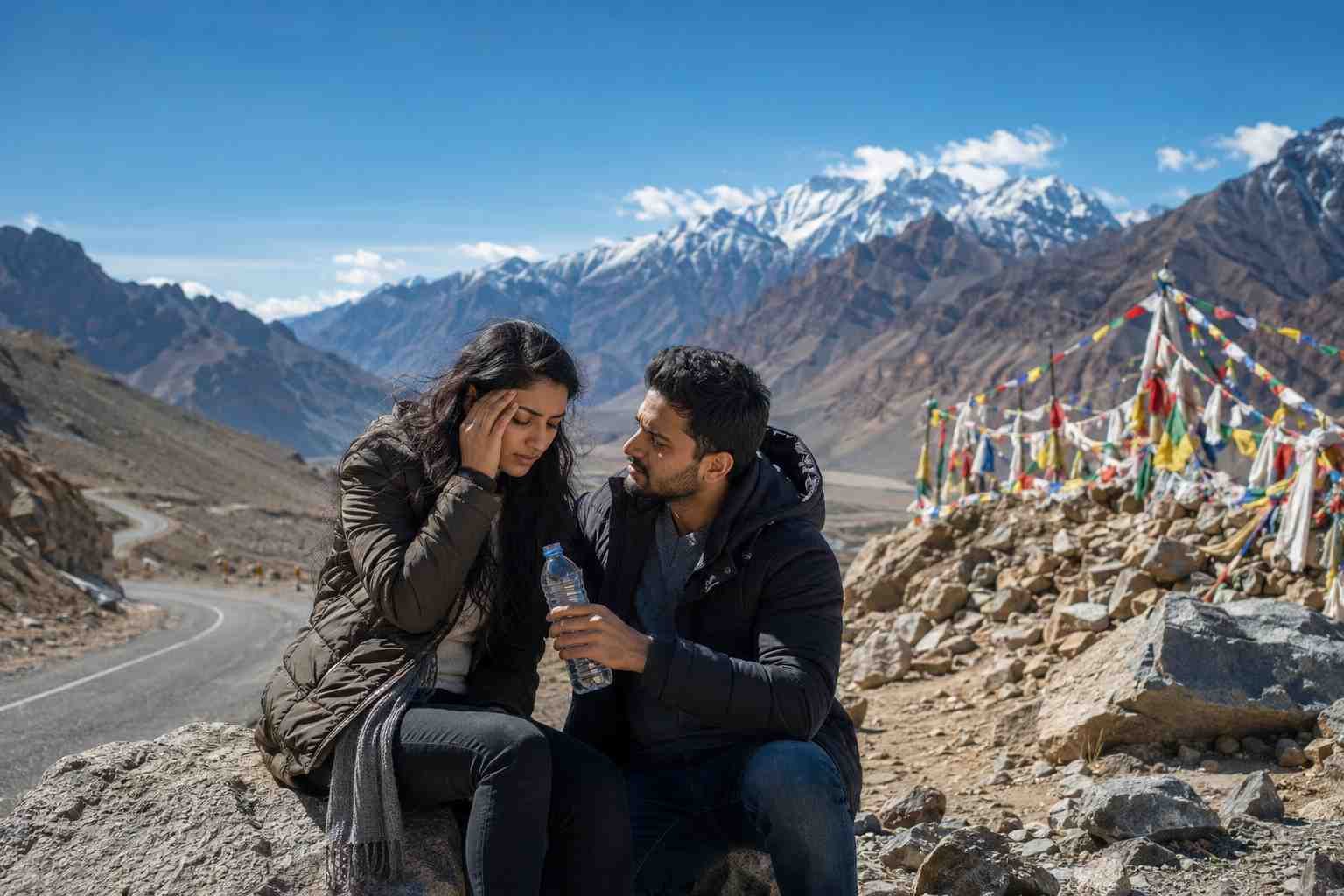
Early symptoms may resemble an ordinary bad travel day with headache, tiredness, dizziness, nausea, reduced appetite, or disturbed sleep. Many people dismiss these symptoms because they assume dehydration, jet lag, travel fatigue, or an unfamiliar hotel is affecting their sleep.
Your First Day in Leh Should Be Deliberately Slow
This might sound like the least exciting advice about your upcoming Ladakh honeymoon packages, but it is highly valuable. Usually, the tour begins with arrival in Leh, transfer to a hotel, rest, acclimatization, and a stroll around the markets. The basic idea behind this plan remains simple: the arrival should not become a race to see each landmark.
Permit yourself to do less. Once you check in, it is time to rest. Choose meals that are comfortable rather than going for some large and unfamiliar option. Drink fluids regularly without forcing huge quantities of water. Overhydration does not play any role in preventing altitude sickness and may create its own medical problems. So, maintaining normal hydration is a sensible option.
Light physical activities should be maintained. Avoid hiking uphill, climbing long staircases, or carrying heavy luggage because your body is already working to compensate for the low oxygen availability. And skip alcohol for the first couple of days. Save the toast for later, when your body adjusts to this altitude.
Most importantly, listen carefully to the partner who is feeling worse because no honeymoon should arrive at a point where one partner says, “We have already come this far, so let’s just go.”
Why “Drink More Water” Is Not the Whole Answer
Hydration is often considered one of the universal solutions to altitude sickness. Dehydration may cause symptoms that feel like altitude illness, so arriving in Leh dehydrated is going to be obviously unhelpful. But drinking excessive water is not of much help either. Some guidance claims that forced hydration does not prevent AMS but may increase the risk of low blood sodium.
A better approach is available: drink regularly and respond to thirst rather than treating water as a medicine. Always keep water accessible during sightseeing and drives. The mountain environment, cold weather, increased breathing, and physical activity may all increase the amount of water your body needs.
Eat, Sleep, and Pace Yourself
Acclimatization is not only about what you eat and drink. Sleep and other activities make a difference and determine how comfortable you feel. The first few days are the time when your body is making all the important adjustments to reduced oxygen availability. This acute acclimatization process is especially important in the first three to five days after ascent. Normal activities may feel more tiring than expected. If you get tired quickly, don’t worry or assume something is wrong. Simply slow down and make a good night’s sleep a priority.
Keep the first evening relaxed rather than turning it into a late-night celebration followed by an early-morning departure. Choose light, familiar meals when you notice a decrease in your appetite. Forcing through a heavy meal because it is your honeymoon is not a good idea.
In addition, build breathing room into your schedule. A perfect honeymoon itinerary is not all about maximizing the number of places you can photograph, but it should leave some space for your body to adapt. The best way is to think of the first day as an investment in days 3, 4, 5, and beyond.
What About a Packed Ladakh Honeymoon Itinerary
This is an area of the Ladakh honeymoon package where couples need to pay particular attention. Popular honeymoon packages describe a 6- to 7-day journey that covers Leh, Pangong Tso, Nubra Valley, and local sightseeing. You will see that Pangong Tso is scheduled for the second day of the itinerary and Nubra Valley on day 3. These are planned in a way that not only sets a nice rhythm for the upcoming adventures but also gives priority to proper acclimatization.
The current high-altitude travel guidance also recommends a gradual ascent and additional acclimatization before one starts reaching the high-altitude areas. The Ladakh tourism advisory also advises travelers to spend some part of their initial hours acclimatizing before they embark on extended travel to higher-altitude areas.
So, you may also consider discussing the first few hours with the travel providers in case you have some doubts. It works nicely as compared to assuming that the scheduled excursion is going to be automatically appropriate for each traveler. The best itinerary is the one that can be adjusted in case a partner develops altitude symptoms.
When Should You Worry About Altitude Sickness
Mild AMS, which is most common, involves headaches along with some symptoms like dizziness, nausea, fatigue, reduced appetite, or poor sleep. If you develop these, you should stop ascending and take the symptoms a bit seriously. Rest for some time and monitor how you are doing. Assuming that reaching a bit higher can somehow make you feel better is not recommended.
When the symptoms persist and become significant, inform the travel team, and they will arrange all the required help and resources. In such a situation, one must not continue sightseeing and should avoid traveling higher. Usually, descent is the key treatment for serious altitude illness. Honeymoon rules are pretty simple: whenever symptoms become severe, the itinerary comes to a halt.
Can Medication Prevent Altitude Sickness
Medication may be used sometimes to help in preventing AMS. It proves particularly useful when a rapid ascent is not worth avoiding. The most commonly discussed option for this purpose is acetazolamide. Whether it is appropriate in your particular condition depends on the medical history, allergies, other medications, and the particular itinerary.
It is not advisable to start a prescription medication simply because someone online recommended it. The right way is to discuss the travel plan with a qualified healthcare professional before departure; this move becomes even more important if you have an underlying medical condition or take some regular medication.
Long story short, medication must not be viewed as permission to ascend too quickly. It may support acclimatization to some extent but does not replace that process.
How to Protect Your Honeymoon Without Overthinking It
There is no need to spend the entire Ladakh honeymoon or any part of it worrying about the altitude. A few practical habits can make the trip considerably easier.
First, treat the arrival day as an acclimatization day. Keep the plans flexible and rest after reaching Leh.
Second, try to keep the first 24 hours physically easy by engaging in gentle local sightseeing and avoiding strenuous hikes or unnecessary rushing.
Third, drink consistently but normally. Carry a water bottle but don’t try to force excessive amounts.
Fourth, avoid alcohol during the early acclimatization period.
Fifth, sleep well. Your body does the adaptation work well when you are resting.
Sixth, tell your partner how you are feeling. Anything like headache, nausea, dizziness, or unusual fatigue should not become a private competition of seeing who is able to tolerate more.
Seventh, always tell your driver or tour representative in case you feel unwell. Any good travel plan has enough room for adjustments.
Finally, know the major red flags before you leave your home. Symptoms like confusion, fainting, inability to walk normally, breathlessness at rest, blue lips, or other rapidly worsening symptoms need urgent medical attention.
Make Acclimatization Part of the Romance
People have a tendency to think that a honeymoon needs to be perfectly packed with a sunrise here, a monastery there, a lake by afternoon, a romantic dinner at night, and much more. While in Ladakh, things work well when you leave enough room for the mountains to set the pace. Think about arriving in Leh, checking into your favorite hotel, opening the curtains, and seeing the Himalayan landscape for the first time. Rather than rushing out, try to spend the afternoon resting together. Drink some tea, talk, take a short walk in case you feel comfortable, and then see the town change color as the evening arrives.
This might not seem like a highly adventurous day on paper, but it could be exactly what allows you to wake up feeling way better the next morning. Then you may set out for dramatic drives, mountain passes, monasteries, sand dunes, and lakes. A similar principle applies throughout the trip. When you feel that the body needs an extra rest stop, just take it. If you find your partner struggling, adjust the plan. Just keep in mind that the most memorable part of a honeymoon is not how many locations you visited but how you felt while experiencing the new atmosphere together.
Choose Ladakh Honeymoon Packages with Acclimatization in Mind
Ladakh is an unusual combination of adventure and romance. The mountain views of Leh, the serenity of monasteries, landscapes of Nubra Valley, and striking blue waters of Pangong Tso lead to varying emotions. The smartest honeymoon package is not the one with the most destinations, but it is the one that ensures enough flexibility so that you can enjoy the destinations safely.
Consider some practical aspects before booking, like the time allocated for acclimatization in Leh, what happens when a partner develops altitude symptoms, the scope of modification in the itinerary, the point of contact in case one feels unwell, and others. These questions are not like signs that you are expecting problems, but they show that couples are planning for the reality of traveling at high altitude. Yukti Travel’s Ladakh honeymoon packages have been designed around what this place is famous for. With properly arranged accommodations, transportation, and sightseeing, couples get enough time to focus on the journey rather than coordinating every detail by themselves.